
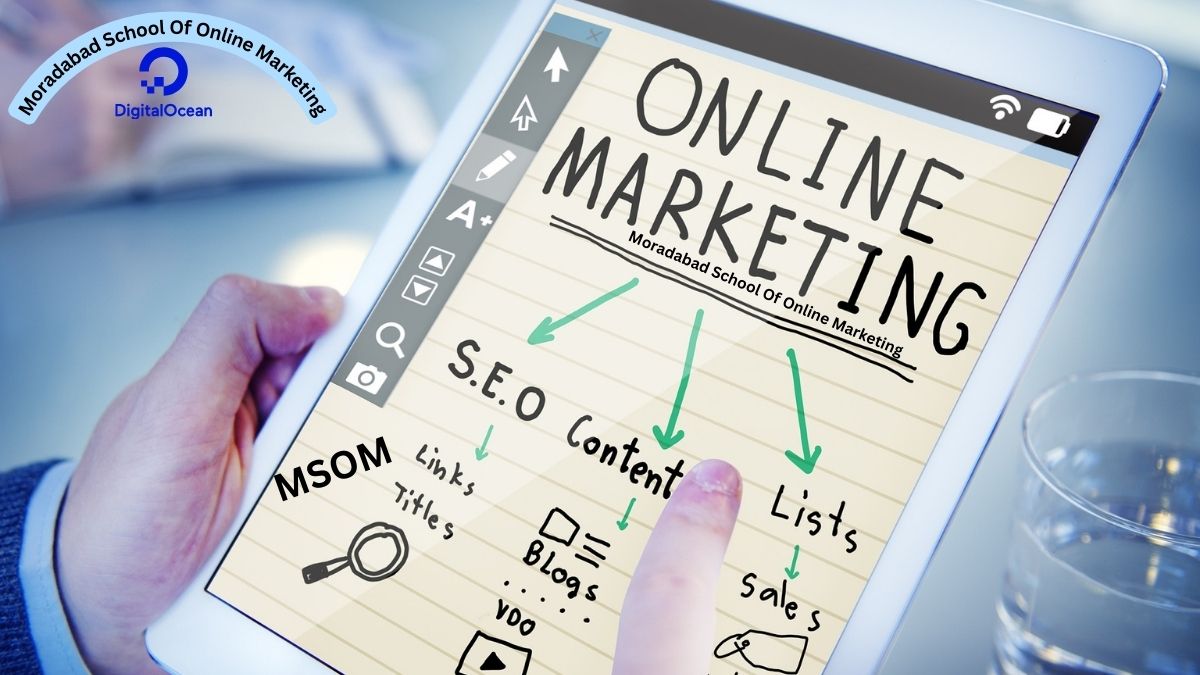

Digital marketing is the process of promoting your products, services or brand to potential customers using the internet and other digital technologies.
Digital marketing uses online channels instead of traditional channels such as:
• Websites•
Search engines (Google, etc.)•
Social media (Facebook, Instagram, YouTube, etc.)•
Online ads (Google Ads, Facebook Ads)
1.What Makes Digital Marketing Important?
Enables you to reach a global audience.
2. Costs are less than traditional marketing
You get to target the right people based on age, location, interests, etc.
3.Performance can be tracked and measured in real-time
You can communicate directly with your audience, which assists with trust.
Popular Types of Digital Marketing
- Search Engine Optimization (SEO):
Improve your website so it ranks higher in Google search results. - Social Media Marketing:
Promote your brand through platforms like Facebook, Instagram, and LinkedIn. - Content Marketing:
Create blogs, videos, or posts to inform and attract customers. - Pay-Per-Click (PPC) Ads:
Run paid ads on Google or social media to get instant traffic. - Email Marketing:
Send emails to customers with offers, updates, or newsletters. - Affiliate Marketing:
Let others promote your product and pay them a small commission for each sale.
What is SEO and Why It Matters for Your Business
In the digital realm, visibility is vital — and that’s where SEO comes into play. SEO (Search Engine Optimization) is the term used when we refer to the process of improving a website so that it ranks higher in search engines like Google. The higher you rank, the more traffic you will get — and it’s not surprising, because more traffic means more potential customers.
SEO consists of multiple methods such as keyword research, on-page SEO, writing quality content, and backlinks. In essence, when done correctly, SEO brings free, organic traffic to your website - without spending money on ads which stop generating visitors once your budget runs out!
There are two main types of SEO:
· On-Page SEO: This includes optimizing your website’s content, title tags, meta descriptions, headings, images, and internal links.
· Off-Page SEO: This focuses on getting backlinks from other websites, building authority, and increasing your domain reputation
· Increased Visibility: Most people don’t go past the first page of Google.
· Cost-Effective: It brings long-term results without paying for ads.
· Better User Experience: SEO improves your site’s speed, mobile-friendliness, and content quality.
· Higher Trust & Credibility: Top-ranking sites are seen as more trustworthy.
If you're a small business or an enterprise brand, investing in SEO can keep you competitive. It is not just obtaining a higher ranking; it is about being discovered by the right people at the right time.
For businesses that want to engage with their customers and to expand their brand, social media marketing has become an indispensable tool. Social media platforms, such as Facebook, Instagram, Twitter, and LinkedIn, have billions of users between them. This is an unparalleled opportunity to reach potential customers in a real, engaging way.
By producing relevant and engaging content, businesses can build a genuine relationship with their audience, which leads to trust and later loyalty. On social media marketing is not just about selling merchandise - it is about building a relationship with your audience, imparting information, and expressing your brand personality.
Important tactics for social media marketing encompass developing a content calendar, maintaining consistency in posting, and interacting with followers by replying to comments and messages. Utilizing paid ads is a great way to increase visibility, as is working with influencers to reach niche demographics.
An important benefit of social media marketing is the ability to utilize it to build brand awareness. A careful and well-prepared approach could amplify your business’s visibility and reputation, making it more effective in turning your followers into customers.
Analytics play a crucial role in social media marketing. By tracking engagement metrics, you can refine your content strategy and understand what works best for your audience.
In today’s world, which prioritizes a digital strategy, content marketing has emerged as one of the most successful methods for increasing brand awareness, acquiring new customers, and sustaining the growth of your organization. Rather than sell directly, content marketing can provide an audience with content intended to be valuable, relevant, and informative. Such a strategy increases trust and positions your brand as an authority in the space you occupy.
One beautiful aspect of content marketing is its flexibility. It doesn’t matter if your brand creates blog posts, social media posts, videos, podcasts, or infographics, as long as the message gets across to your audience. By constantly publishing great content, you can support your audience with engagement (nurture your leads), and take them through the buying journey.
In content marketing, the first step for success is to understand your target audience's interests, pain points, and behavior. After obtaining that information, you will need to develop a content plan that includes a combination of educational, entertaining, and promotional content. Also, you must ensure your content is properly optimized for search by using relevant keywords, attention-grabbing headlines, and clear calls to action.
Boost Your Business with Paid Marketing Ads
Paid marketing advertisements are often one of the quickest and most effective ways reach your desired audience in the digital space. Whether you're a small business owner or running a corporate giant brand, paid ads provide immediate visibility and quality traffic to your website.
Paid marketing encompasses platforms like Google Ads, Facebook Ads, Instagram promotions, and even YouTube advertisements. Each of these platforms allows you to target specific audiences in locations and based on interests, age, behavior, etc. The outcome? You have engaged the right people at the right time!
One of the major benefits of paid advertising is that the results are measurable. You can track impressions, (clicks, conversions, and return on investment ROI) in real time. With this information, you will be able to optimize your campaigns for superior performance and better profit.
Unlike organic growth, which can take time, paid ads can create fast, scalable results. You can build a product launch, run a holiday sale, or build brand awareness all within a matter of clicks.
In short, paid marketing ads can supercharge your business growth when used strategically. Start small, test what works, and scale what performs best
Email marketing is one of the most affordable ways to access your audience directly. It’s personal, targeted and measurable. Whatever you share – updates, promotions or high-value content – email is a very powerful way to build relationships and increase sales.
The high return on investment is arguably one of the biggest benefits of email marketing. Businesses can maintain individualized messaging at scale through building and segmenting an email list; email marketing means you can create messages that are sent to whoever you want, when you want, and increase your chances of a conversion as well as customer loyalty.
Consistency is key—regular emails help keep your brand top of mind. Use compelling subject lines, engaging content, and clear calls to action (CTAs) to maximize effectiveness.
Email marketing gives you access to detailed analytics so you can see how your campaigns are performing and optimize future campaigns. It is a critical strategy for any business wanting to engage customers and drive long-term growth.
Affiliate marketing is a performance-based model where businesses team up with individuals (affiliates) to promote their products or services in return for a commission on any sales or leads they generate. For both businesses and affiliates, it is a mutually beneficial arrangement that offers the potential for growth at little upfront cost and a relatively low level of risk.
Affiliate marketing enables businesses to reach a broader audience without developing any extra marketing materials. Affiliates will use their own platforms—website, blogs, social media, etc.—to promote the product, which drives traffic to your website.
The primary benefit of affiliate marketing is how affordable it is. You only pay for sales or conversions, which means this type of marketing is super measurable. Affiliate marketing is also scalable, meaning that as your business grows, you can increase your outreach and pay for the extra sales; it doesn't require the same level of advertising investment.
By choosing the right affiliates and tracking performance, businesses can boost brand awareness, sales, and overall revenue with affiliate marketing.